

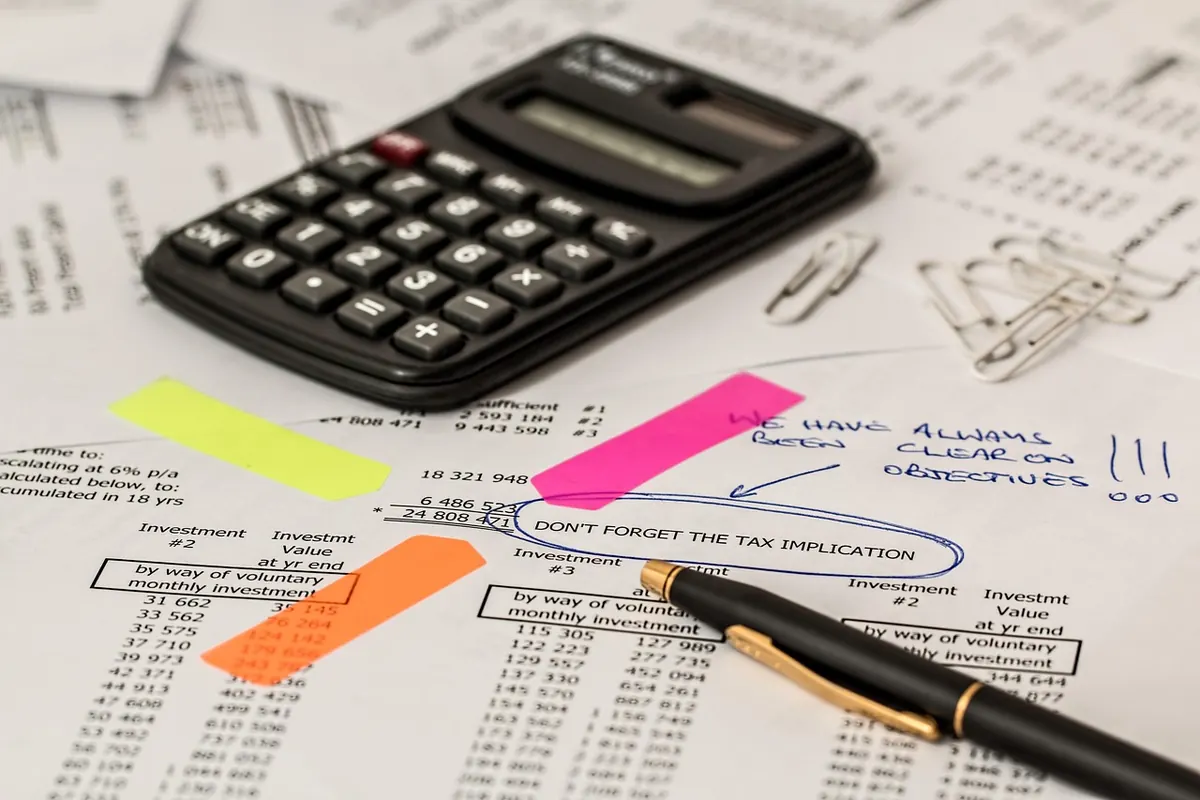


Bookkeeping rarely makes the list of reasons people start a business. It's admin, it's repetitive, and when cash is tight it's the first job pushed to a weekend that never quite arrives. The trouble is that mistakes here don't stay in the spreadsheet. Misclassified expenses, missing receipts and late VAT returns quietly take money off the bottom line — sometimes as penalties, sometimes as tax relief never claimed, often as hours lost unpicking a year of muddle. Most of these problems are common, and most are straightforward to fix.
Misclassified expenses: the mistake that costs twice
Putting a personal supermarket shop through the business account isn't clever tax planning; it's an inaccuracy waiting to be found. When a cost is wrongly categorised, you can pay twice: once when you overclaim and have to repay tax with interest, and again when a genuine business cost sits buried in the wrong code and never gets claimed at all.
Where the mix-ups usually happen
- Personal spending on the business card — a coffee, a birthday present, a family takeaway — left in the books because the money left a business account.
- Capital purchases, such as equipment, a vehicle or a significant IT upgrade, treated as an everyday running cost. The tax treatment differs, and so does the timing of any relief.
- Payments to subcontractors recorded as wages, or the other way round. Each carries different reporting duties and creates avoidable work later.
- VAT treated as a cost when you're VAT registered. The VAT on most purchases is reclaimable, so the true cost of the item is the net figure.
- Expenses with mixed personal and business use, such as a phone bill or a car, with no note of how the split was worked out.
If you're unsure how something should be treated, ask before you file. A five-minute question to an accountant costs far less than a correction.
Missing receipts: small scraps, real money
HMRC expects you to be able to back up the figures in your records. Bank statements show that money left the account; they don't prove what it bought. Without a receipt or invoice, an expense is vulnerable to being disallowed on enquiry, which means the relief goes and the tax bill rises.
The fix isn't a shoebox or heroic willpower. It's a habit built around the moment the spend happens: photograph the receipt there and then, save it to a folder or app linked to the transaction, and add a one-line note of what it was for. Digital copies are generally acceptable, so a clear photo usually does the job. As a rough guide, keep business records for at least six years, though the exact rule depends on your structure and which taxes are involved. If you're claiming something unusual, keep your reasoning alongside it.
Poor reconciliation: when the books drift from reality
Reconciliation is the dull-sounding process of matching every line on a bank or credit card statement to something in your accounting software. Skip it and small errors multiply: a supplier paid twice, a customer refund recorded in the wrong month, a direct debit you cancelled that quietly went out again.
Unreconciled books are also where problems hide. A supplier whose bank details change by email, a subscription nobody remembers signing up for, a duplicate expense claim — these show up immediately in a monthly reconciliation and can sit unnoticed for a year without one. If someone in your business handles both the spending and the records, checking the bank line by line is a useful safeguard in itself.
Set aside half an hour a week or a couple of hours a month and work through the unmatched items until the software balance matches the bank. If it doesn't, the difference is information, not an inconvenience.
Late VAT submissions and payments
VAT deadlines are unforgiving, and for most VAT-registered businesses filing now runs through Making Tax Digital-compatible software. HMRC operates a points-based system for late returns: each missed deadline adds a point, and once you pass the threshold a penalty follows. Paying late brings interest and further charges on top, and the longer it runs, the more it costs.
The most common cause isn't forgetfulness. It's waiting until the deadline to work out what you owe, then discovering the money has already been spent. Two habits prevent that:
- Move the VAT you collect into a separate account as you invoice. It was never your money in the first place.
- File early even if you'll pay later. Filing releases the figure, so you know the size of the bill while there's still time to plan around it.
If you use a special scheme, such as the flat rate scheme or partial exemption, check the calculations each period rather than assuming last quarter's method still fits.
Treating the bank balance as profit
A healthy current account balance feels like profit, but it may include VAT collected, money owed to suppliers, a customer deposit for work not yet done, and next quarter's tax bill. Cash in the bank and profit are different figures, and the gap can be wide.
Review what customers owe you and what you owe suppliers at least monthly. Invoice a healthy sum in one month and, if two of those invoices sit unpaid for 90 days, you can be profitable on paper and short of cash in the bank. Knowing that in advance changes how you spend.
Leaving everything until the year-end
Twelve months of unrecorded transactions isn't a bookkeeping task; it's an archaeological dig. It costs more, because your accountant charges for sorting out the mess. It also loses information: by the time you look at March, you've forgotten why that payment went out.
A short quarterly review keeps the work small and gives you numbers you can act on while they still matter.
A simple routine that prevents most of this
Most of these mistakes shrink to nothing with a routine that takes less time than the problems they cause:
- Photograph every receipt as it happens and file it the same week.
- Reconcile bank and card accounts monthly, clearing every unmatched item.
- Move VAT collected into a separate account as invoices go out.
- Check the category on anything unusual rather than guessing.
- Keep business and personal spending apart — separate cards, separate accounts.
- Book a short review each quarter to look at profit, debtors and upcoming deadlines.
If you'd rather not do it yourself
Numbers aren't everyone's natural territory, and this is exactly the work worth handing over. A bookkeeper who reconciles monthly and files VAT on time usually costs less than the penalties, interest and lost relief that build up without one. Rates, thresholds and rules change, and every business is different, so check your own position with a qualified accountant before acting on anything here.
Related posts
More stories you’ll love reading